Founder, author
The notebook
Articles & Writing

Intuition of particle swarm optimization
Swarm intelligence is an amazing phenomena in nature. We see it in flocks of birds, bees in a hive, bacterial growth, and more. The behaviour of these wonderful creatures have been studied and inspired useful algorithms. Here's an introduction to particle swarm optimization.

Learning from ants
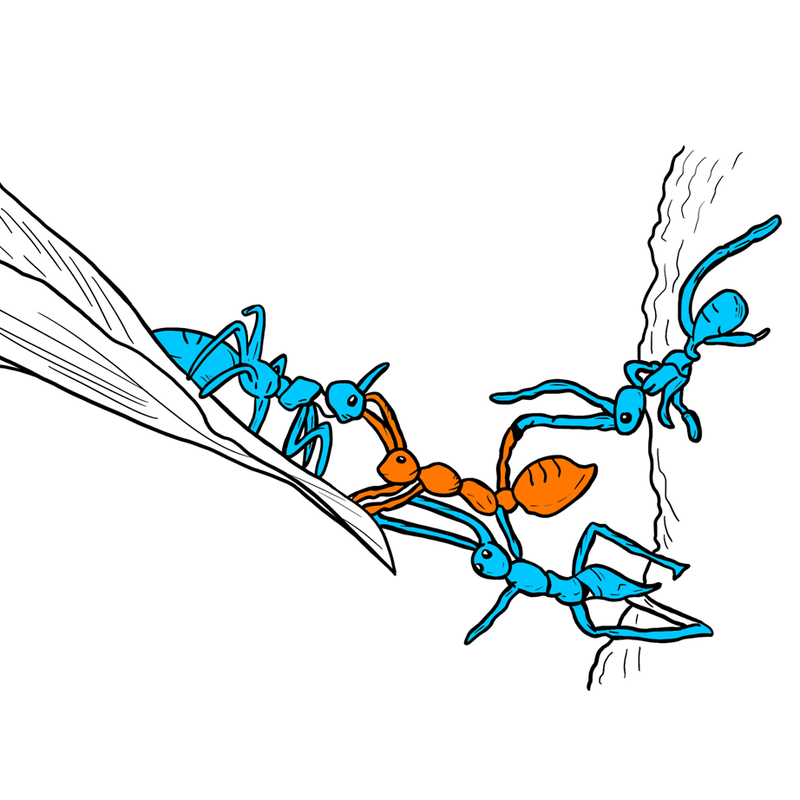
Learning from ants: Ant colony optimization algorithms are versatile and useful for several real-world applications. These applications usually center on complex optimization problems.
Ant colony optimization for beginners
A single ant can carry 10 to 50 times its own body weight and run 700 times its body length per minute. These are impressive qualities; however, when acting in a group, that single ant can accomplish much more.

Encoding genetic algorithms
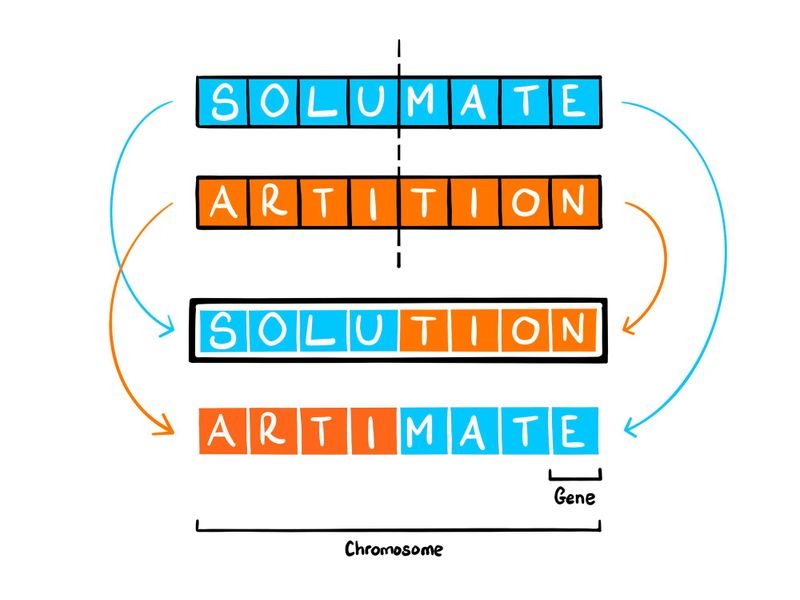
Genetic algorithms are a fascinating technique for solving optimisation problems. If you can create a set of rules that can measure a solution's performance, you can probably use a GA to help solve the problem.
Genetic Algorithms for Beginners
Genetic algorithms are part of the family of optimization algorithms. They operate on the theory of evolution, more particularly, genetic evolution.
Optimization: Finding the best solutions
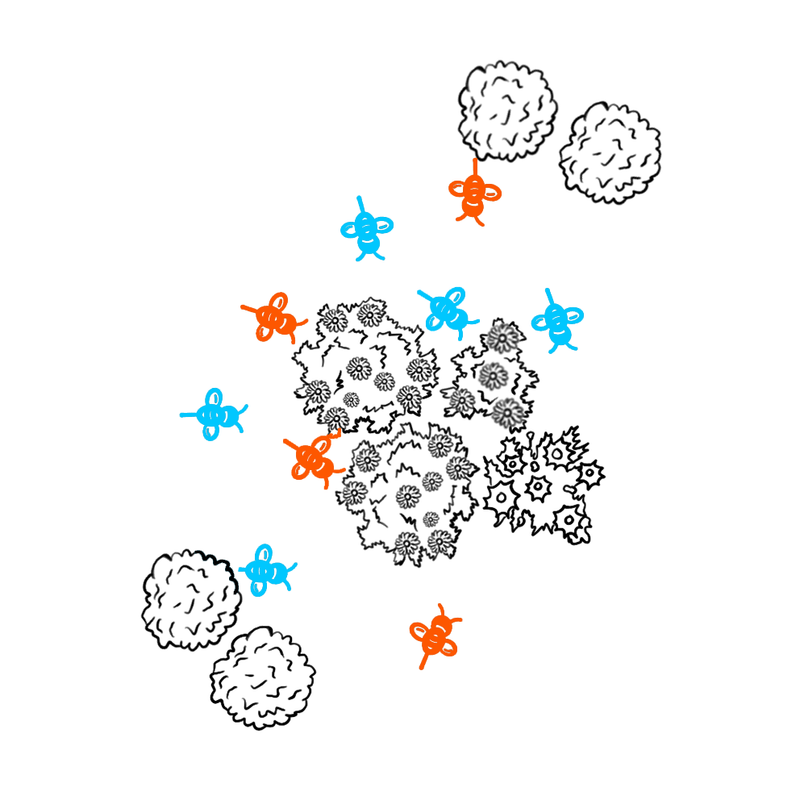
Imagine how a swarm of bees find food sources. While visiting areas, different bees will find plants of different quality and quantity. Some might be better than others but they gravitate towards the best. Optimisation algorithms in AI work this way too.
Intelligence through evolution
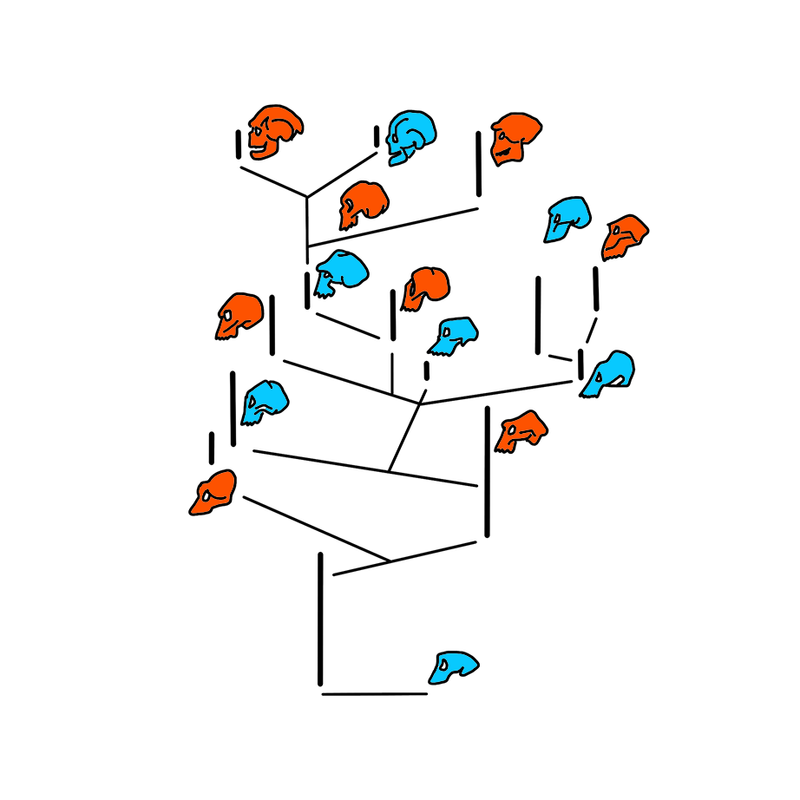
When we look at the world around us, we sometimes wonder how everything we see and interact with came to be. One way to explain this is the theory of evolution. And it's useful in solving computational problems in AI.
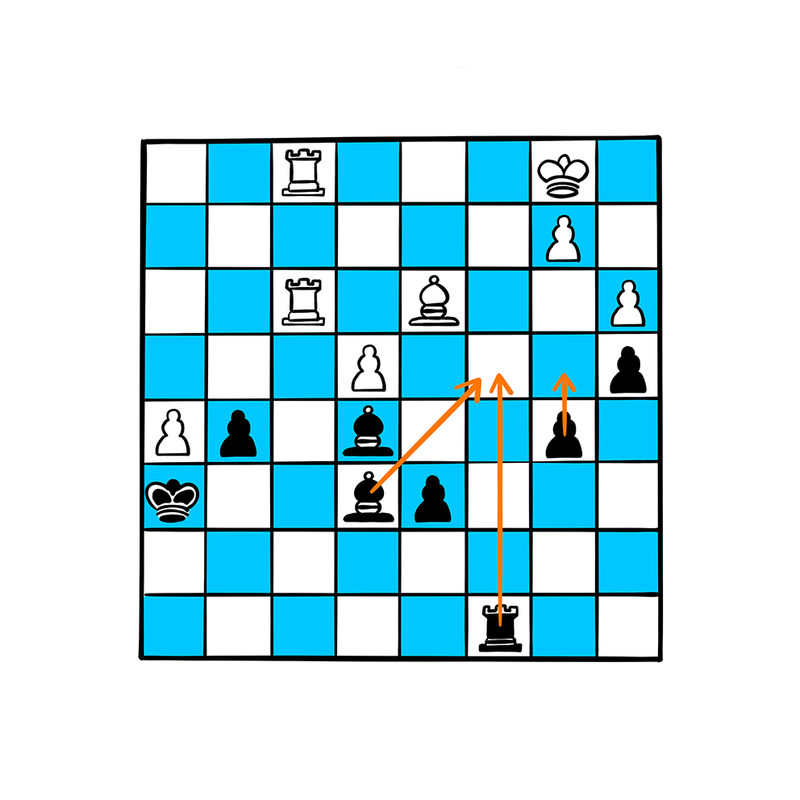
Game playing with adversarial algorithms
Do you know how IBM's Deep Blue chess computer controversially beat champion, Gary Kasparov in 1997? It's a search algorithm called min-max. This article describes how it works at a high-level.
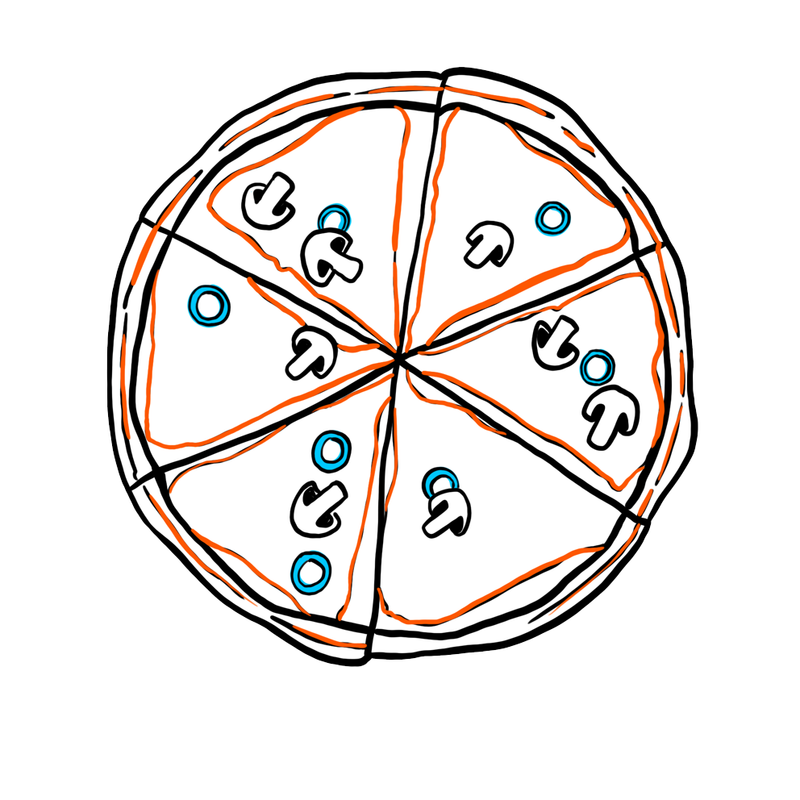
Using heuristics for intelligence
When you're deciding if you'd try a specific pizza, you may have some criteria that it passes. The pizza might be made by someone different with a different technique, but as long as it passes your set of rules, you'll try it. This is a heuristic.
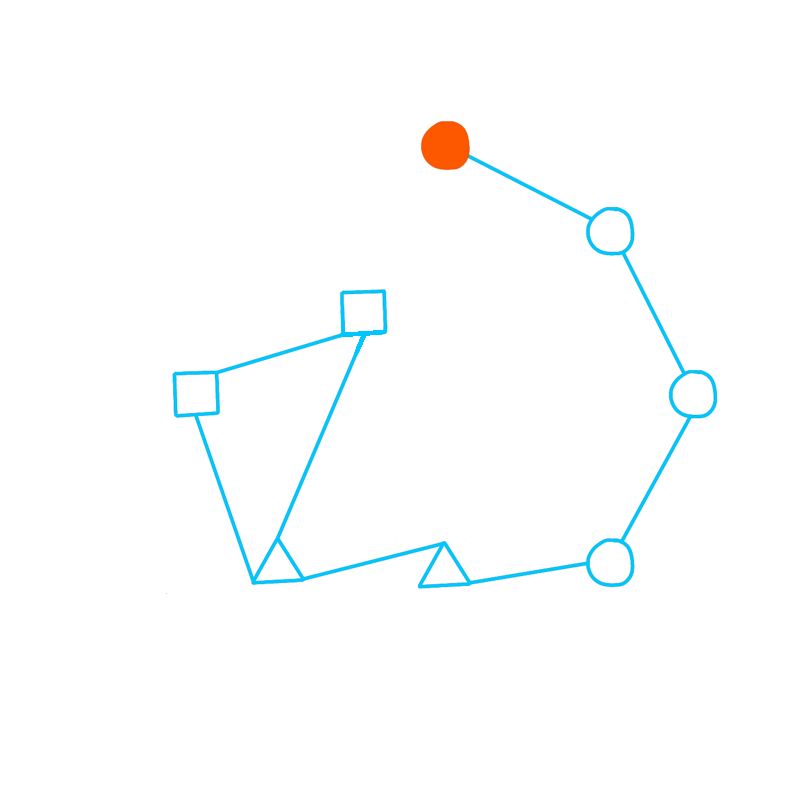
Search and data structures
Remember our search algorithm trip to the beach? If not check out the next tweet in this thread. Our trip can be represented as a graph. What's a graph? It's a data structure used by algorithms to do smart things.
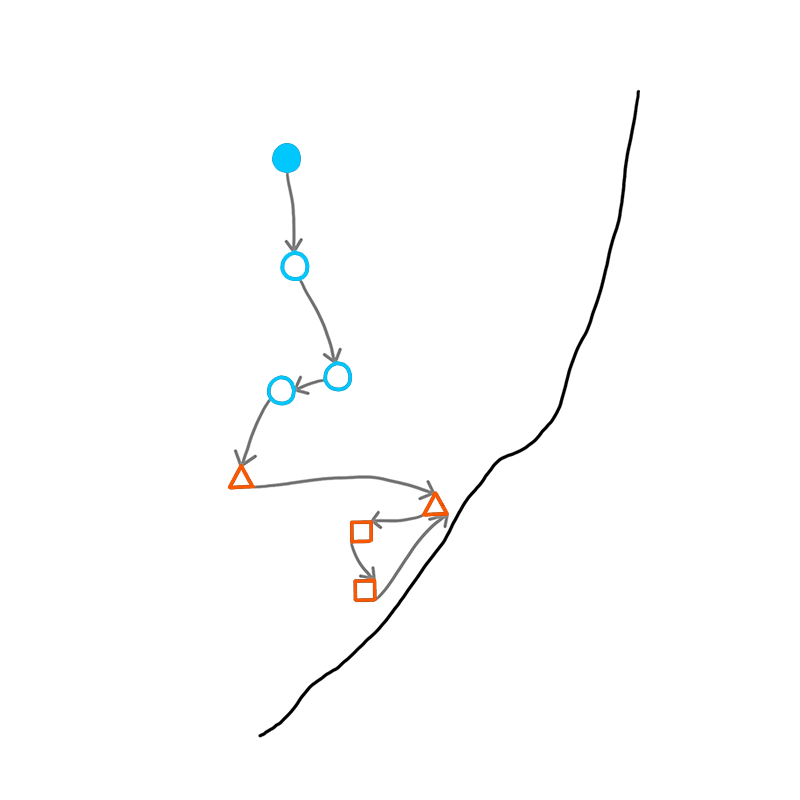
Plan...Search...Repeat
Suppose we're going on a trip to the beach. It's 500 km away, with two stops: one at a petting zoo and one at a pizza restaurant. We will sleep at a lodge close to the beach on arrival and partake in three activities. The trip to the destination will take approximately 8 hours...
The Turing test and sci-fi
The Turing test was created by Alan Turing in the 1950s to examine a machine's ability to exhibit human-level intelligent behaviour. He called it the imitation game. Here's what it's all about.

Read my book, Grokking Artificial Intelligence Algorithms
I wrote Grokking Artificial Intelligence Algorithms. The book is a fully-illustrated and interactive tutorial guide to the different approaches and algorithms that underpin AI.
Grow your mental models
Demystifying thinking and mental models, to make you more effective. A project to help professionals up their game. Get visual knowledge drops in your inbox at http://prolificidea.com.
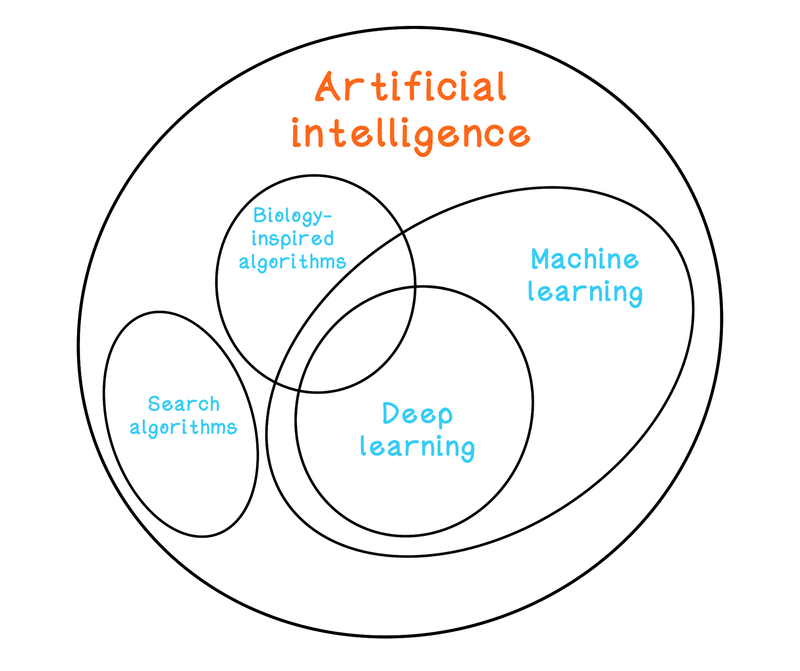
AI algorithm families
Different families of algorithms solve different problems. We don't necessarily need to be experts in the details of each one, but having a grasp on what problems they can solve, and how they generally work, equips us with more tools when making decisions.
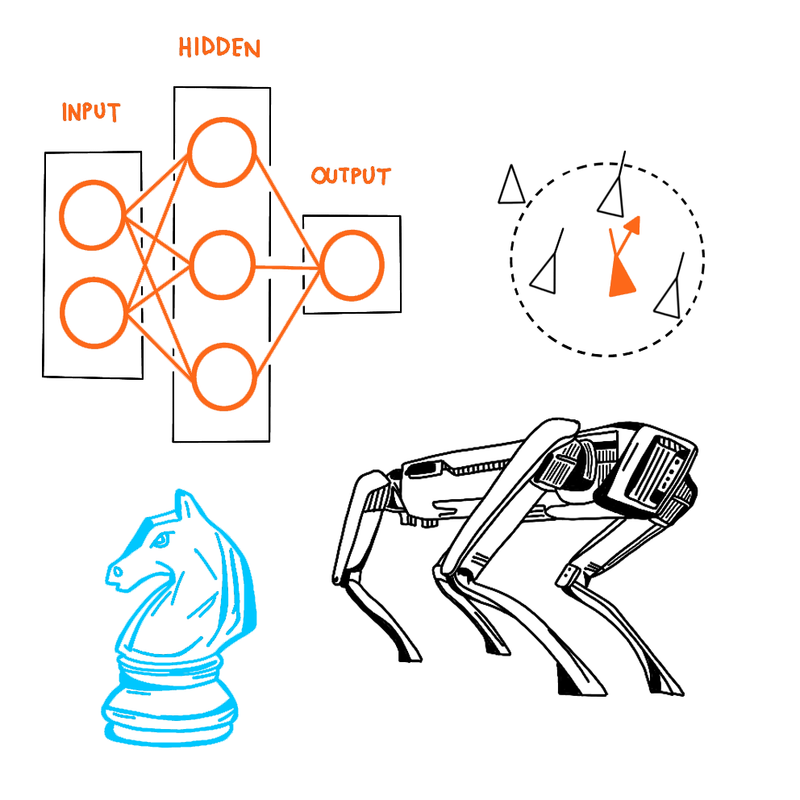
AI: Where we've come from, and where we are
History is filled with myths of "mechanical men" and "autonomous thinking” machines. Looking back, we’re standing on the shoulders of giants in everything we do. Here's a brief look back at some AI history.
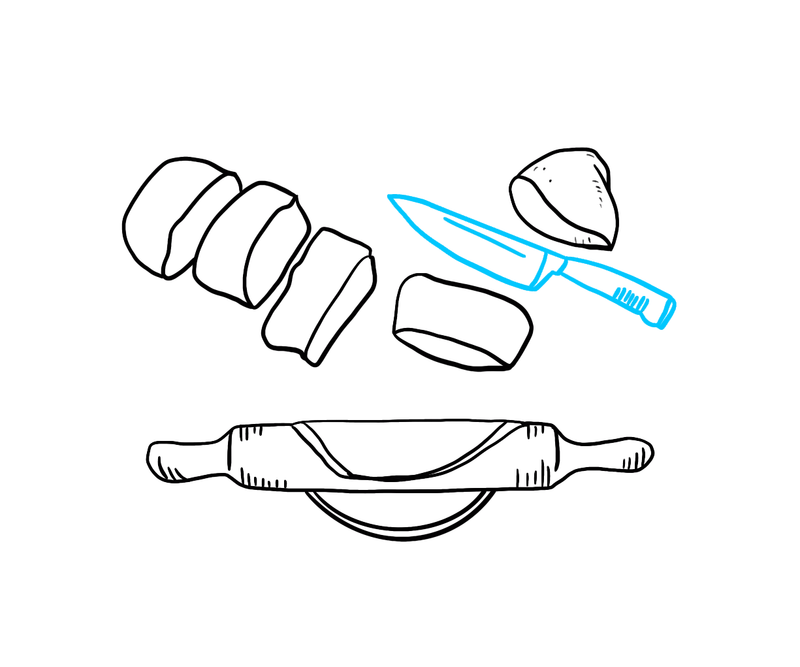
Algorithms are like recipes
Algorithms are like a pita bread recipe. There's a problem being solved (making good pita bread), ingredients required (pieces of input), a sequence of steps to follow (recipe instructions), and the resulting output, in this case, pita bread of a certain quality.

Data is everywhere
Data is defined as "information, especially facts or numbers, collected to be examined, considered and used to help decision-making". We're unconsciously using data all the time.